
The Punjab government is considering increasing the maximum age limit for vice chancellors of public medical universities from 65 to 75 years, a proposal that has sparked debate within the medical education sector.
The move comes after the Punjab health department cancelled the ongoing selection process for vice chancellors at five major public medical universities and initiated a proposal to revise the eligibility criteria.
Why Was the Selection Process Cancelled?
According to officials, around 46 candidates applied for vice chancellor positions after the vacancies were advertised earlier this year.
The scrutiny process was expected to begin when authorities decided to halt the recruitment exercise and review the existing age criteria.
Under current rules, candidates older than 65 years cannot be appointed as vice chancellors of public universities in Punjab.
Proposed Change Explained
The health department has proposed:
| Current Rule | Proposed Rule |
|---|---|
| Maximum Age: 65 Years | Maximum Age: 75 Years |
| Existing University Regulations | Amendment Through Ordinance |
Officials say the objective is to allow highly experienced senior academics and medical administrators to remain eligible for leadership positions.
Which Universities Are Affected?
The proposal applies to five major public medical universities in Punjab:
- University of Health Sciences
- King Edward Medical University
- Fatima Jinnah Medical University
- Rawalpindi Medical University
- Faisalabad Medical University
The terms of the current vice chancellors at these institutions are expected to end in July 2026.
Why the Proposal Is Controversial
The proposed age relaxation has reportedly generated concern among many serving professors and medical educators.
Critics argue that:
- Younger candidates could face reduced opportunities
- Retired administrators may become eligible again
- The move could affect merit-based competition
Some members of the medical community have questioned the timing of the proposal, especially since the recruitment process had already attracted dozens of applicants.
Government’s Position
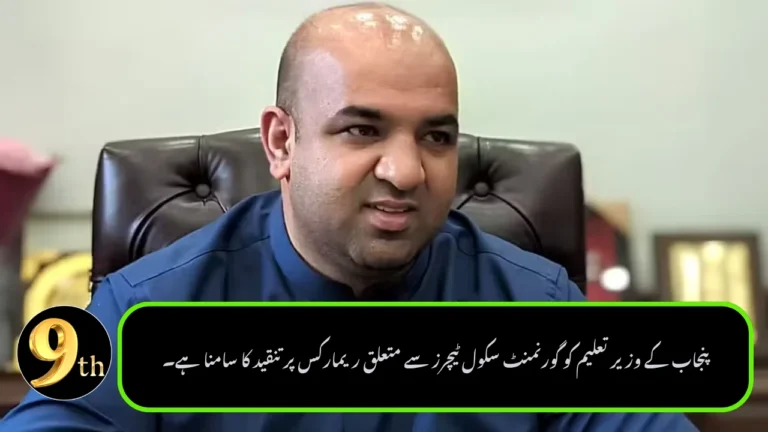
Punjab’s Specialized Healthcare Minister Khawaja Salman Rafique confirmed that the proposal is under consideration.
According to the minister, the purpose is to utilize the expertise of senior medical educators who have served in key academic and administrative roles.
He rejected suggestions that the proposal is intended to benefit any specific individual and said experienced leadership can help strengthen:
- Medical education
- Academic governance
- Research activities
- University administration
What This Means for Medical Education
If approved, the policy could significantly expand the pool of eligible candidates for vice chancellor positions in Punjab’s medical universities.
Supporters believe the change could bring experienced leadership to higher education institutions, while critics argue that universities should also create opportunities for the next generation of academic leaders.
The proposal is expected to move through the legal approval process before any final decision is implemented.