A subcommittee of the Senate Standing Committee on National Health Services has called for a complete overhaul of Pakistan’s medical education system and demanded that the Pakistan Medical and Dental Council (PMDC) align it with international standards.
Massive Shortage of Medical Seats
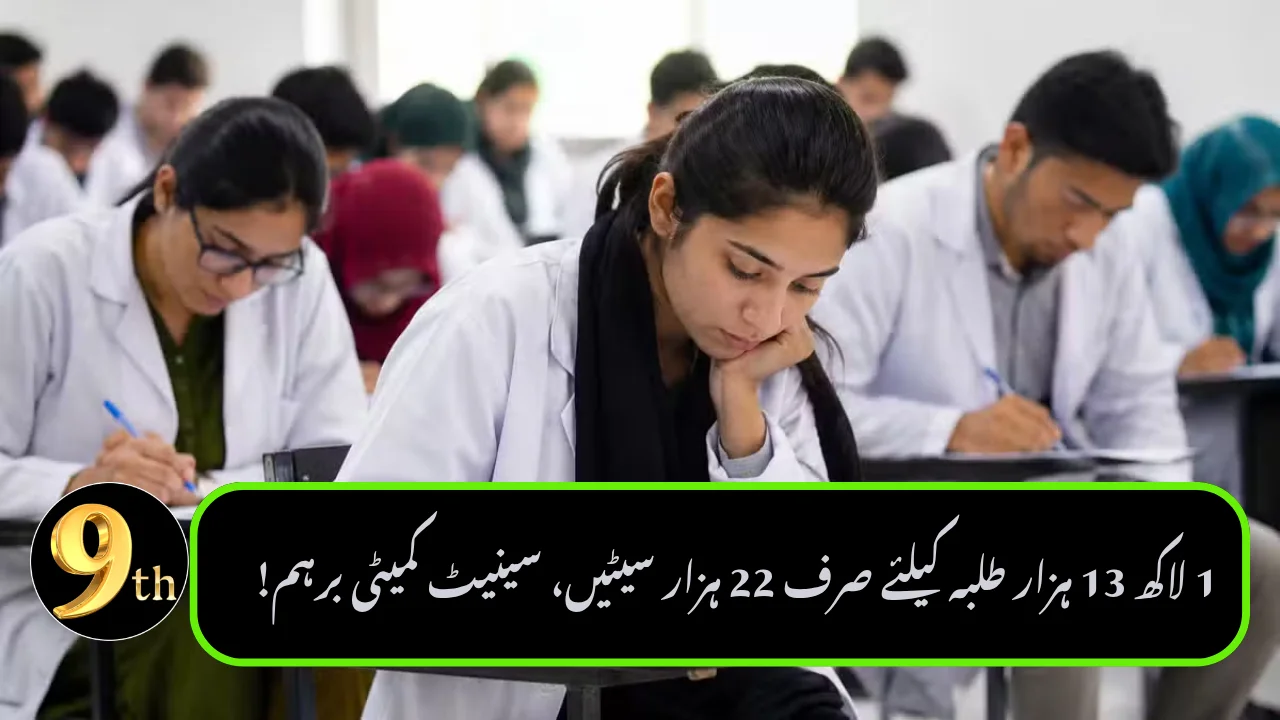
Lawmakers highlighted a shocking gap between qualified students and available seats:
- More than 113,000 students qualified in the 2024 MDCAT
- Only 22,300 seats were available in medical colleges
- Thousands of eligible students left with no admission
The huge gap between qualified candidates and available seats has become one of the biggest concerns in Pakistan’s medical education system.
MDCAT and Admission Policy Reviewed
The committee, chaired by Senator Anusha Rahman, reviewed:
- The Medical and Dental Colleges Admission Test (MDCAT)
- The national admission policy
PMDC officials told the panel that they had introduced a syllabus covering common topics in FSc and A-Level courses, which had reduced syllabus-related complaints from students.
Question Bank and Consultation Process Under Review
The committee directed PMDC to submit detailed feedback on:
- Its question bank
- Its stakeholder consultation process
Lawmakers want to make sure the exam system is transparent, fair, and well-designed.
Misleading Advertisement Controversy
The panel criticized a newspaper advertisement that incorrectly suggested MDCAT was mandatory for all students seeking admission to foreign medical universities.
PMDC’s Clarification:
- The MDCAT requirement applies only to certain foreign institutions, not all
- The advertisement was misleading
The committee has ordered PMDC to issue a public clarification immediately and questioned why no action had been taken against those responsible for the misleading advertisement.
Registration Requirement for Foreign Medical Students
Lawmakers also questioned the PMDC’s policy that requires students going abroad for medical education to register with the council.
Committee members argued:
- Focus should be on discouraging admissions to substandard institutions
- Not on imposing unnecessary bureaucratic requirements on genuine students
What This Means for Students
For Pakistani students hoping to become doctors, this Senate review could bring important changes:
- Better alignment of medical education with international standards
- Possible expansion of medical seats to accommodate more qualified students
- Clearer, more transparent MDCAT rules
- Better protection from misleading information about foreign study requirements
The seat shortage issue in particular puts massive pressure on students. Every year thousands of qualified candidates are pushed toward either expensive private colleges or foreign universities, and lawmakers are now demanding real solutions rather than temporary fixes.